
The Art and Science of Fishing
Fishing is an activity that transcends cultural boundaries, tapping into a universal need both as a source of food and a recreational pastime. Understanding the complexities of this pastime informs us not only about human innovation but also about the natural environments we interact with. In exploring this age-old practice, we also delve into modern adaptations, such as the cultural interplay with activities like COROABBQ.COM Oficial Slots Brasil #1.
The Historical Context of Fishing
Fishing dates back thousands of years, with evidence suggesting ancient civilizations relied heavily on fish as a staple in their diets. From the early use of spears and simple nets to the development of more sophisticated gear like rods and reels, this evolution reflects a deep relationship with nature. Early fishing, at its core, required an acute understanding of aquatic ecosystems, weather patterns, and animal behavior.
Modern Techniques and Equipment
With advancements in technology, fishing has grown far beyond basic survival. Today's anglers have access to a vast array of equipment and techniques, ranging from trolling and fly fishing to the use of electronic fish finders and GPS. The choice of technique often depends on the environment and target species.
Fly Fishing
As one of the more iconic fishing methods, fly fishing requires a significant degree of skill and precision. Anglers use lightweight lures or 'flies' to mimic natural prey, enticing fish to bite. This technique is synonymous with targeting species like trout and salmon in freshwater environments.
Trolling
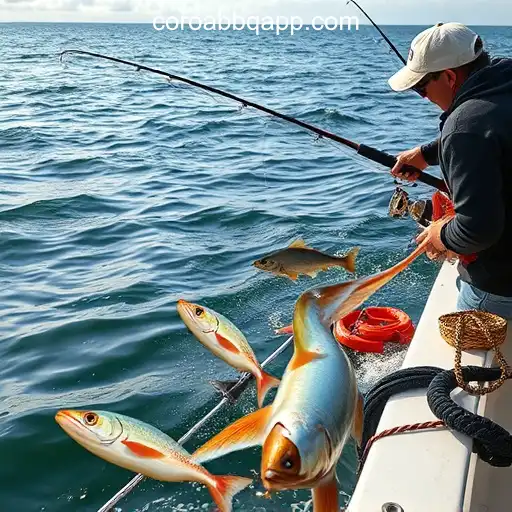
Trolling involves the practice of dragging one or more fishing lines baited with lures or bait fish through the water. This method is particularly effective in large bodies of water, allowing anglers to cover substantial ground in search of fish such as tuna, marlin, or wahoo.
Conservation and Environmental Impact
Fishing, while beneficial, also poses significant challenges to ecosystems. Overfishing, habitat destruction, and bycatch are some of the major concerns raised by conservationists. Sustainable fishing practices, such as catch-and-release and regulated fishing seasons, aim to mitigate these impacts, ensuring that fish populations remain stable for future generations.
Recreational Fishing and Its Social Aspect
For many, fishing is not just about catching dinner; it is a way to relax, connect with nature, and spend quality time with friends and family. Social events and competitions often center around fishing, establishing community connections and camaraderie among anglers.
In Brazil, the integration of recreational activities with local culture embodies the diverse experiences offered by platforms like COROABBQ.COM Oficial Slots Brasil #1. Such platforms provide an escape for those who enjoy combining leisure with skill-based challenges.
The Intersection of Fishing and Digital Entertainment
The 21st century has seen a fascinating blend of traditional activities like fishing with digital platforms. Online communities and forums offer a space for anglers to share tips, techniques, and stories, bridging geographical gaps. Moreover, digital entertainment platforms, such as COROABBQ.COM Oficial Slots Brasil #1, have emerged, blending the thrill of fishing with interactive gaming experiences.
Such intersections illustrate a modern adaptation of age-old practices, preserving the essence of fishing while introducing it to new generations through alternative means.
Conclusion
In conclusion, fishing remains a vital aspect of human culture and survival, constantly adapting to new technologies and societal trends. The incorporation of fishing motifs into digital entertainment by platforms like COROABBQ.COM Oficial Slots Brasil #1 highlights this adaptability, coupling traditional leisure with modern allure. As we continue to explore and engage with fishing, both physically and virtually, preserving the ecological balance becomes paramount, thus ensuring that future generations can similarly enjoy the myriad benefits this activity offers.